
This lou hei yusheng post may contain affiliate links. Please read my disclaimer.
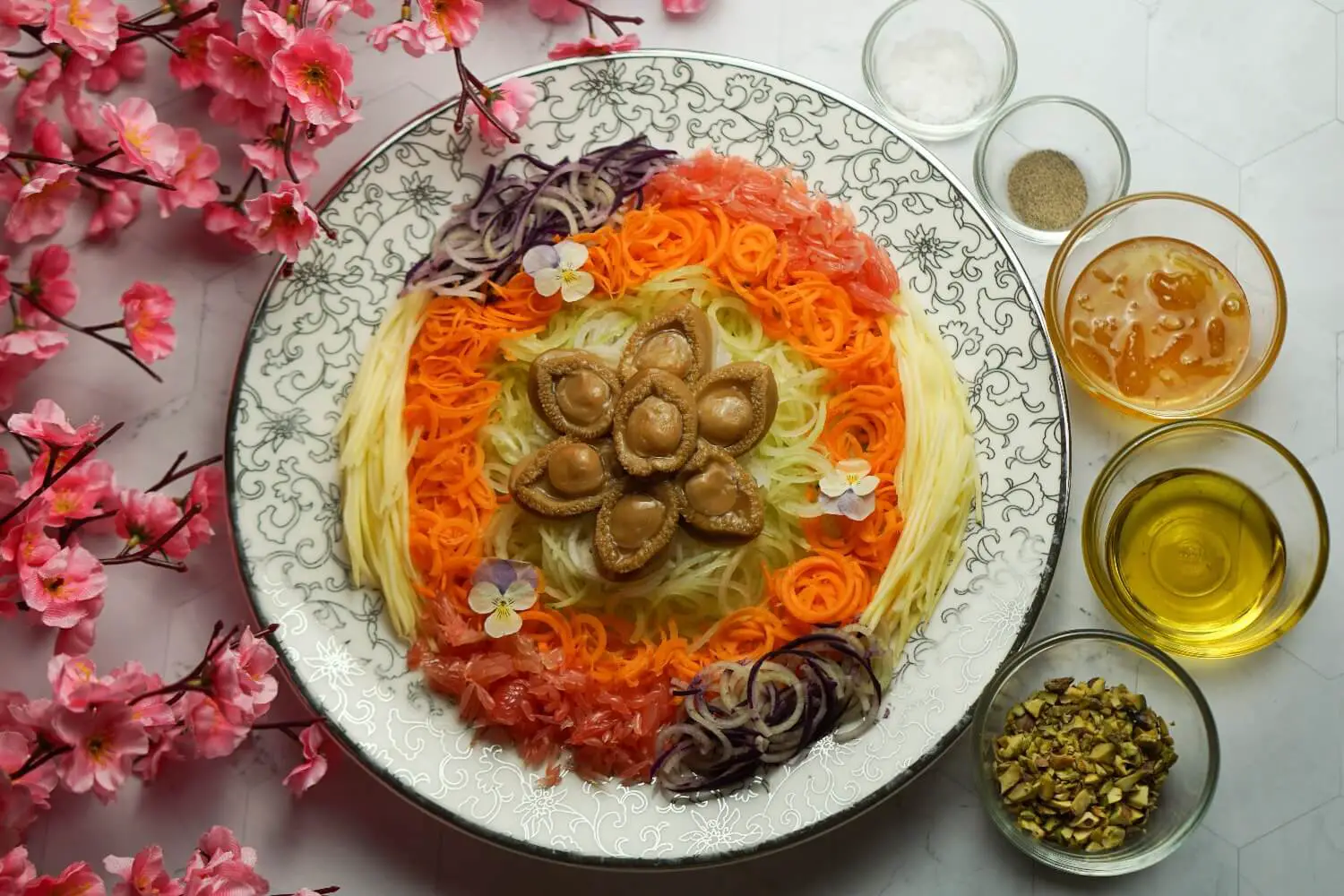
Happy Lunar New Year, my dear readers. This is the time of the year where Chinese people around the world will be busy spring cleaning their houses and rid of useless objects, grocery shopping for supplies and the essential reunion dinner before or on the eve of first day of the Lunar New Year. One quintessential Lunar New Year dish served during the reunion dinner is the Yusheng (鱼生). I have previously made a vegetarian yusheng, while this recipe is a widely popular Abalone Yusheng.
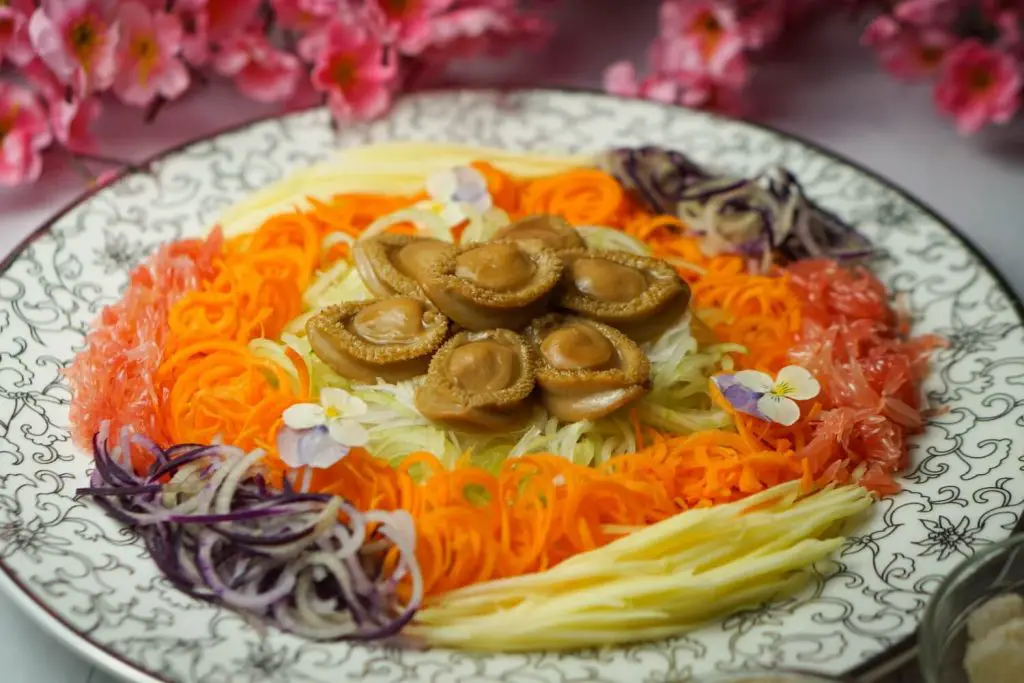
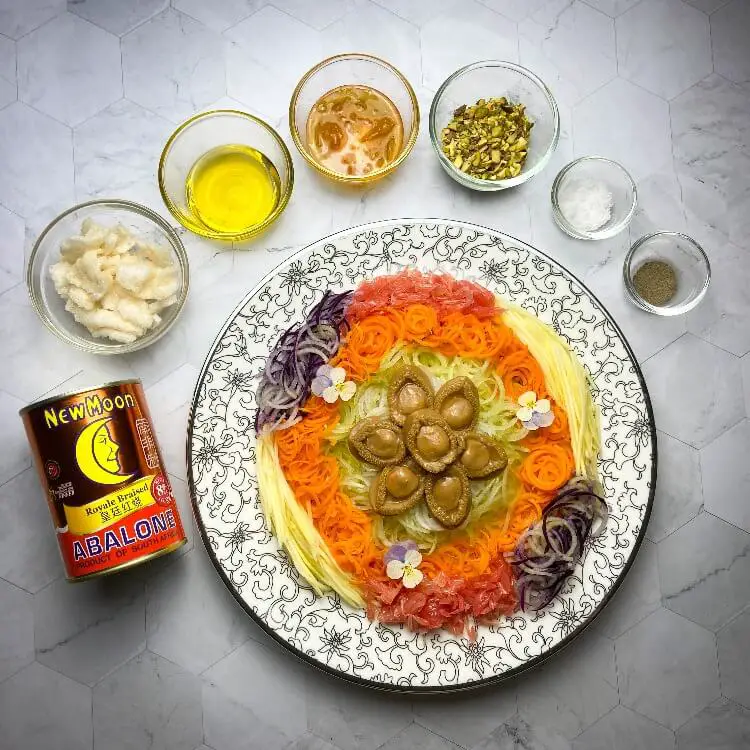
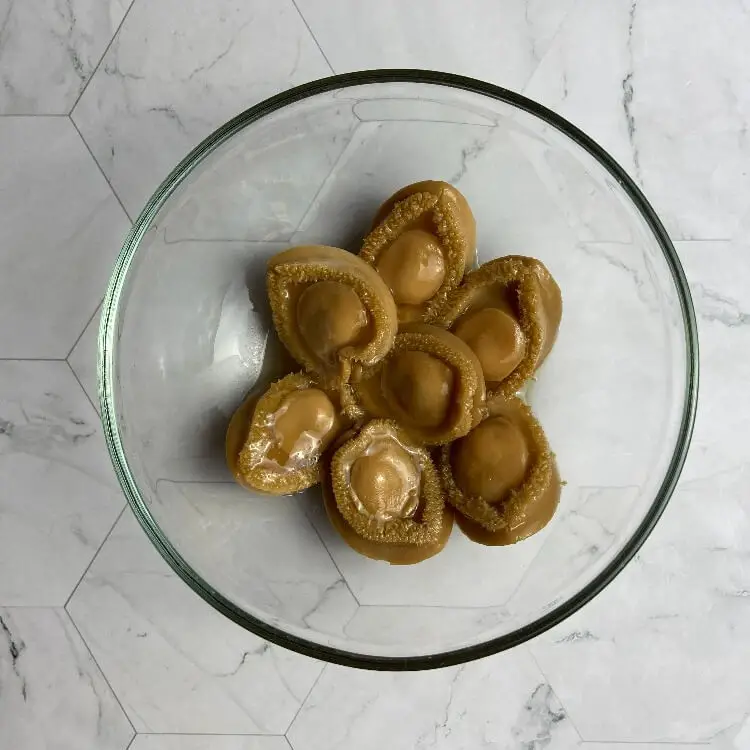
New Moon has kindly gifted me with their Royale Braised Abalone which has the perfect size and taste for this Abalone Yusheng recipe. These South African abalones and braised and bouble-boiled infused with scallop. You can see the scallop strips in the braised sauce. I used the sauce to book bee hoon and got thumbs up from my family at our New Year dinner! These abalones are hand-harvested sustainably, it comes with a firm texture and are ready to eat. You can even cook abalone porridge, check out my 15-minute abalone congee recipe.
What is Lou Hei Yusheng 捞鱼生?
According to Chinese traditions, Yusheng is traditionally served on the 7th day of the Lunar New Year. These days, due to commercial reasons, many Chinese restaurants serve this festive dish throughout the entire 15 days of the Chinese New Year and even up to a week before. During this time of the year, it’s hard to book a table in a good restaurant unless you make the booking way in advance.
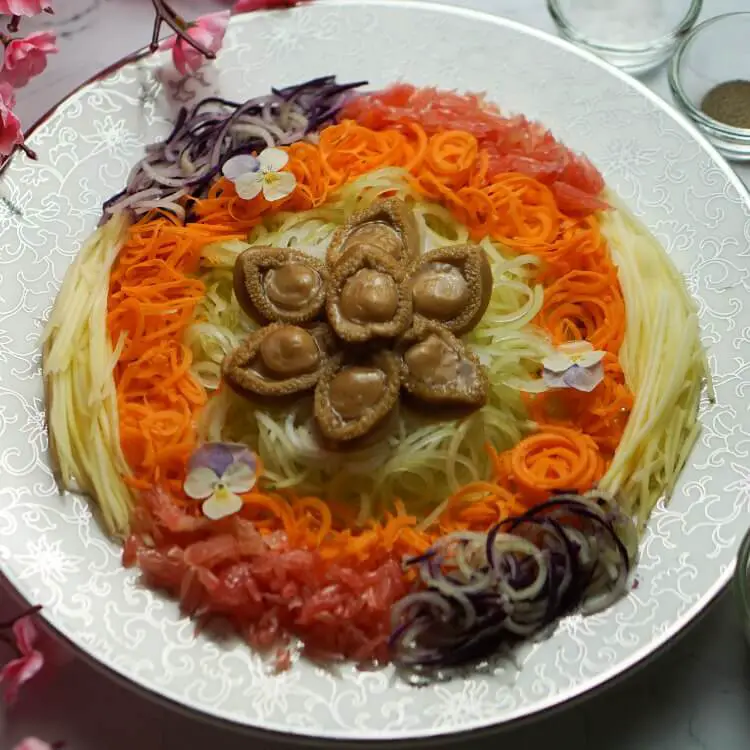
This festive Chinese dish is a typical Chinese New Year dish that is more popular outside of China, and the first dish that is served during family reunion dinners, company luncheons and dinners and friends’ gatherings. It is a beautiful and usually colourful palette of fresh vegetables (many people added fruits these days) with abalone pieces as the centrepiece. The abalone yusheng is then drizzled with seasoning sauces, and added some savoury crackers. While doing so, diners will recite meaningful auspicious words, before all the diners start tossing the yusheng with their chopsticks as high as possible while shouting ‘huat ah’ (发啊!meaning we will prosper).
After the lou hei, we will continue to enjoy a feast of dishes that might consist of some premium seafood such as Abalone Carpaccio with Yuzu Honey Dressing, long prosperity noodles such as E-Fu Noodles with Braised Abalones and Broccoli 鲍鱼西兰花伊府面, or fortune dishes such as Eight Treasures Pen Cai 八宝盆菜.
Why do we Lou Hei Yusheng 捞鱼生 during the Lunar New Year?
‘Yusheng’ is a Chinese noun that means ‘raw fish’, another interpretation is the ‘rise of excess’ and the Chinese like to relate this excess to the surplus in all things good, which can be long life, love, fortune, luck, wisdom, and health. While ‘lou hei’ is a Cantonese verb that literally means ‘to bring something up’ ‘to toss’.
Lou hei signifies the tossing of fortune and prosperity, thus the higher you toss, the more fortune will come your way for the rest of the year. You will notice at the Chinese dining table, diners will all stand up and use their chopsticks to toss the Yusheng, while shouting ‘huat ah’, meaning ‘let’s all prosper’ in Hokkien.
A Step-By-Step Guide on the Auspicious Phrases to Recite for the Lou Hei Abalone Yusheng in the Year of the Horse
Here are the 4 main steps while having the Abalone Yusheng and the auspicious phrases to say for each ingredient.
1) Main plate with shredded vegetables as the base, adding abalone (whole or slices)
We will serve the main yusheng with the seasonings and condiments on the side. Start by saying:
- 花开富贵 – /huā1 kāi1 fù4 guì4/ – When the flowers bloom, riches and honours follow. As I added some pretty little edible dried flowers to beautify the yusheng, I thought it makes sense to start with this flower phrase.
Add in the whole abalone or abalone slices all over the dish while reciting loudly and happily:
- 年年有余 /nián2 nián2 yǒu3 yú2/ – Abundance of wealth, luck, and everything else throughout the whole year
Round up with:
- 鸿运当头 /hóng2 yùn4 dāng1 tóu2/ – Great luck throughout the year
- 马到功成 /mǎ3 dào3 gōng1 chéng2/ – Instant success for you
2) Condiments: Yuzu honey, extra virgin olive oil, salt and pepper
Add in the yuzu honey over the yusheng while reciting:
- 甜甜蜜蜜 /tián2 tián2 mì4 mì4/ – Sweet and loving relationship
While adding in the olive oil, recite:
- 金玉满堂 /jīn1 yù4 mǎn3 táng2/ – Full of gold and jade, and very precious things
Sprinkle salt and pepper generously all over the plate, while reciting:
- 幸福安康 /xìng4 fú2 ān1 kāng1/ – Happy and healthy
Round up with:
- 龙马精神 /lóng2 mǎ3 jīng1 shén2/ – Vibrant energy and vitality
3) Lemon juice, pistachio, and crackers
Squeeze fresh lemon juice on the dish, while reciting:
- 大吉大利 /dà4 jí2 dà4 lì4/ – Great prosperity, fortune, and good luck in all things you do
Sprinkle generous amount of pistachio nuts and recite:
- 一本万利 /yī běn wàn lì/ – Tremendous growth of profits by ten thousand folds, great ROI on your investments
Add crackers (fried crackers looked golden brown), and recite:
- 遍地黄金 /biàn4 dì4 huáng2 jīn1/ – Find gold everywhere you go, meaning you will have great wealth in all things you do
Round up by saying:
- 一马当先 /yī1 mǎ3 dāng1 xiān1/ – Leading the way to success
4) Toss the Yu Sheng
Now it’s the time for everyone to pick up the chopsticks and toss the Yu Sheng. This action is the actual Lou Hei. While you toss the ingredients on the plate, say anything that is auspicious loudly and excitingly. It’s believed that the louder you recite, the more prosperous you will be. And the higher you toss, the more wealth, luck and prosperity you will get.
- 祝大家 /zhù4 dà4 jiā1/ – Wishing everyone
- 新年快乐 /xīn1 nián2 kuài4 lè4/ – Happy New Year
- 恭喜发财 /gōng1 xǐ3 fā1 cái2/ – Congratulations on striking a fortune
- 马年行大运 /mǎ3 nián2 xíng2 dà4 yùn4) – Great fortune in the year of the horse
- 发啊 (usually we say it in Hokkien HUAT AH!) – Let’s all prosper!
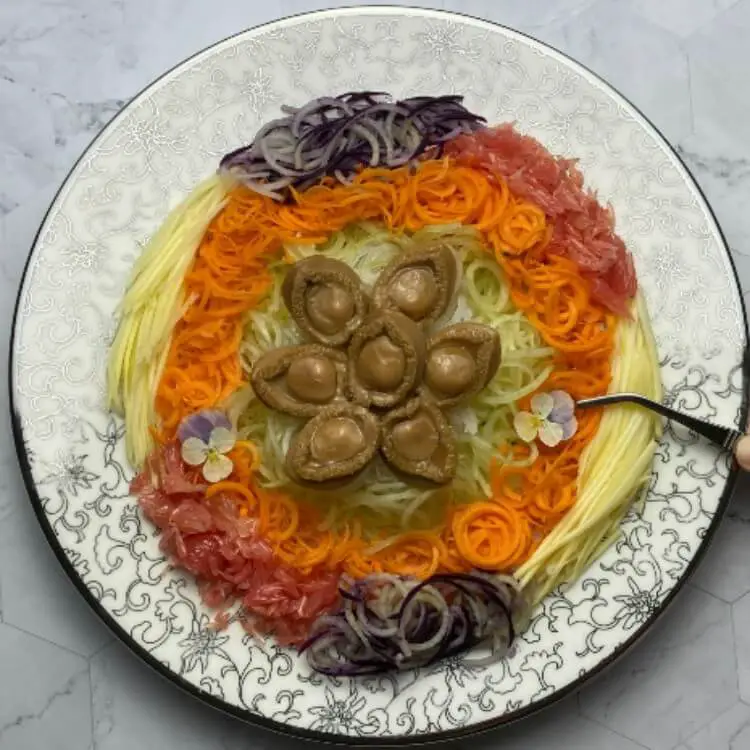
Watch how to make Abalone Yusheng on YouTube
Pin Abalone Yusheng now, and make later
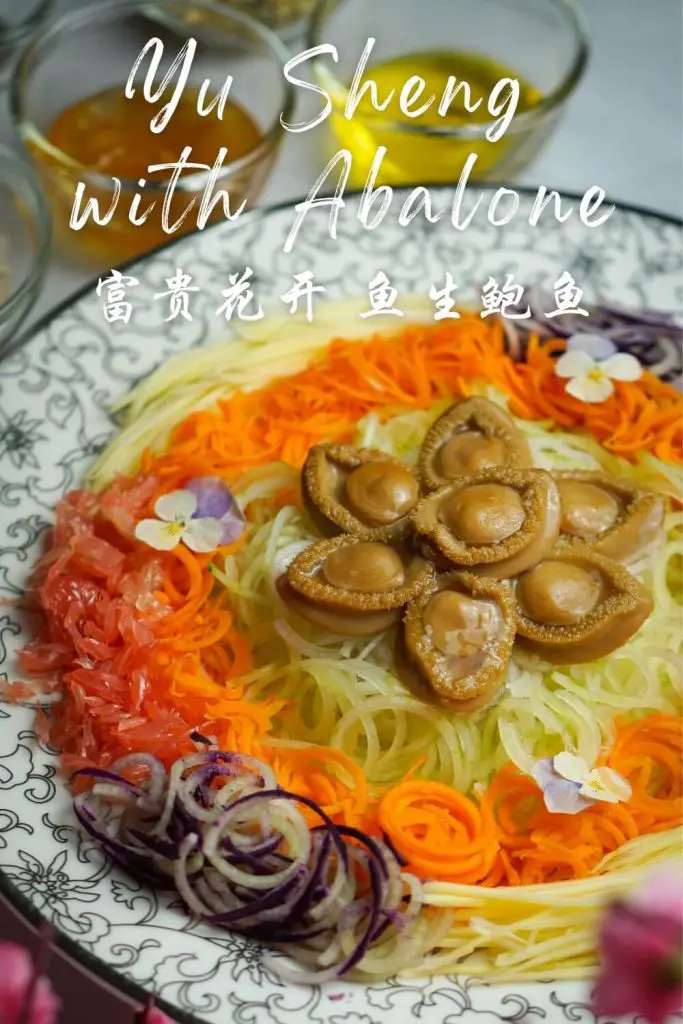

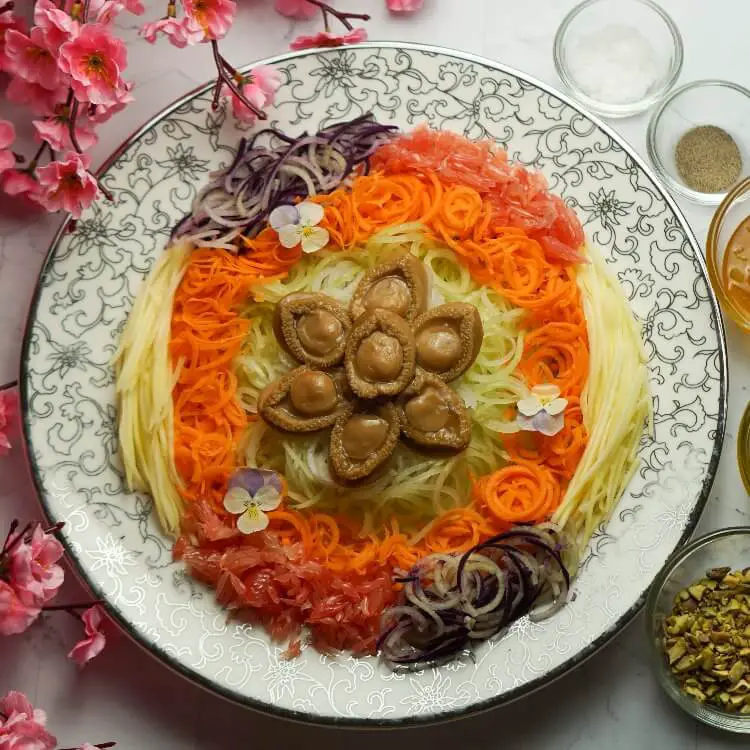
Abalone Yusheng For Chinese New Year Lou Hei 富贵花开 鱼生鲍鱼
Detailed Step-by-Step Video
Equipment
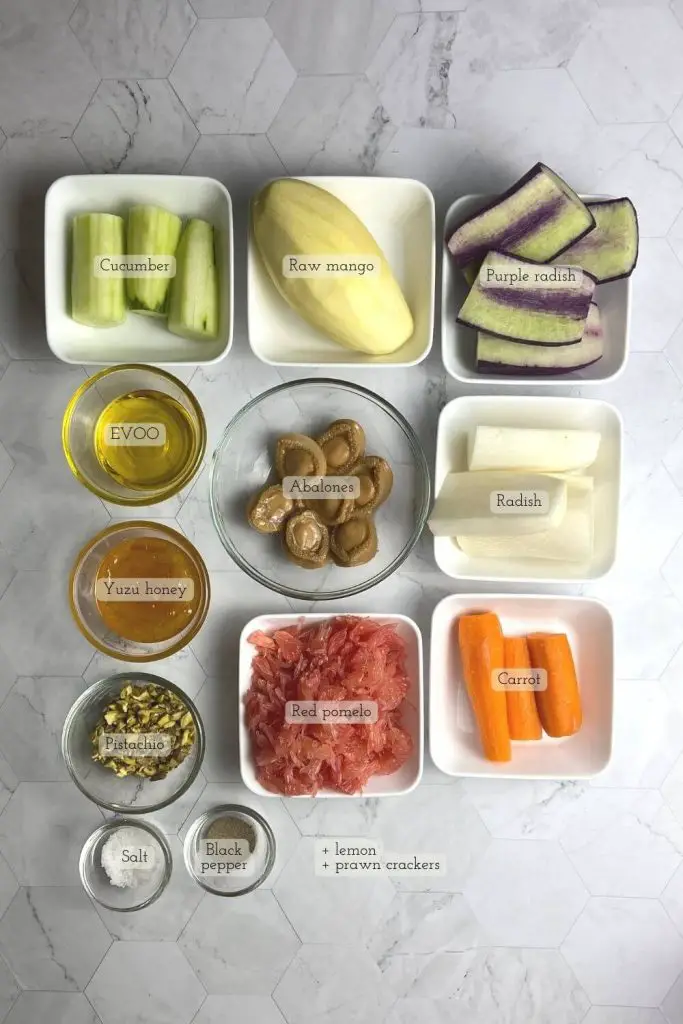
Ingredients
- 1 can abalones (braised or brine), net weight 425g, drained weight 90g
- 1 radish, washed
- 1 purple radish, washed
- 2-3 carrots, washed
- 1-2 Japanese cucumbers, washed
- 1 raw mango, washed
- ½ cup pistachios, deshelled
- ½ cup prawn crackers, optional
- 3 tbsp yuzu honey
- 4 tbsp extra virgin olive oil
- Pinch of salt, season to taste
- Pinch of black pepper, season to taste
- ¼ lemon
- 1 red pomelo, small sized
- 3-4 dried edible flowers, optional
Instructions
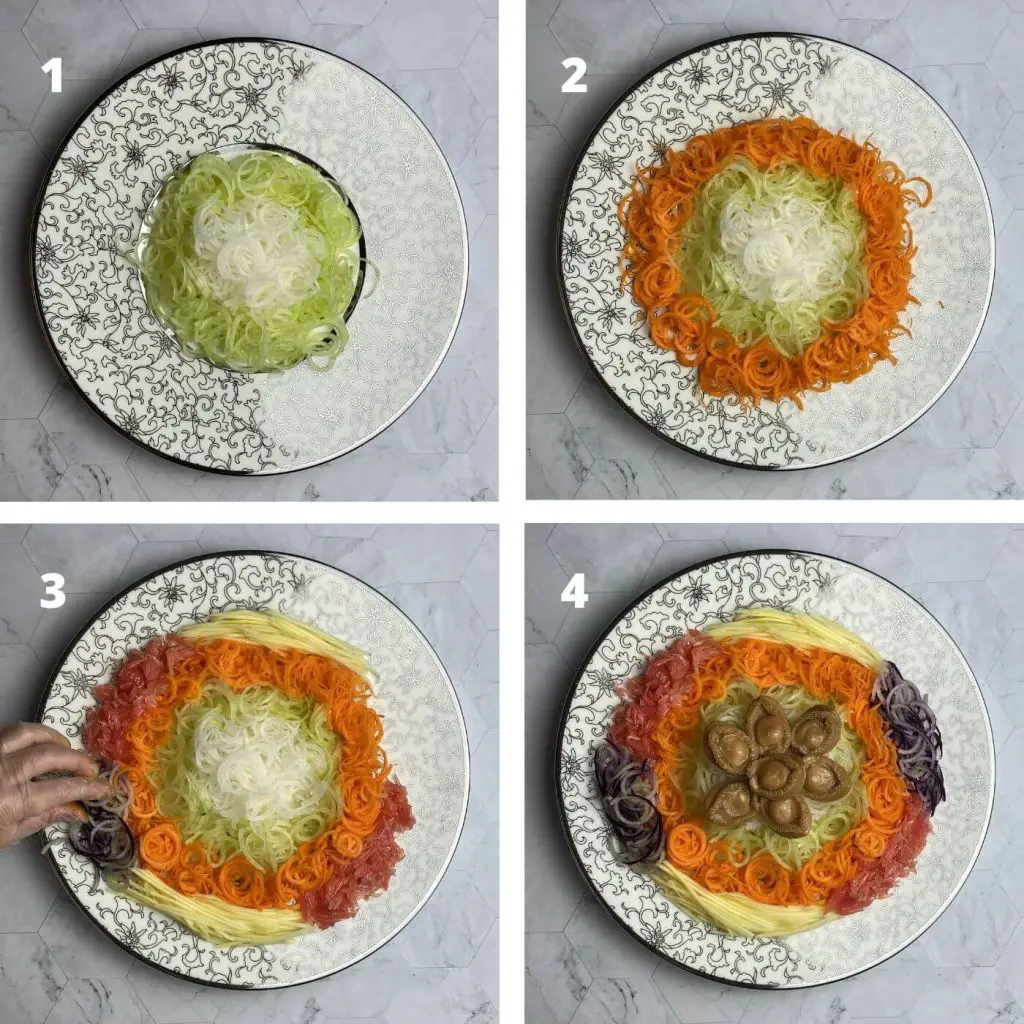
- Prepare the ingredients: wash and peel all the vegetables and fruits.Cut cucumbers, radish, purple radish and carrots into shorter chunks (if you are using the spiralizer machine.For the mango, used a julienne peeler to shred.For the red pomelo, remove the pulp and break into smaller chunks.

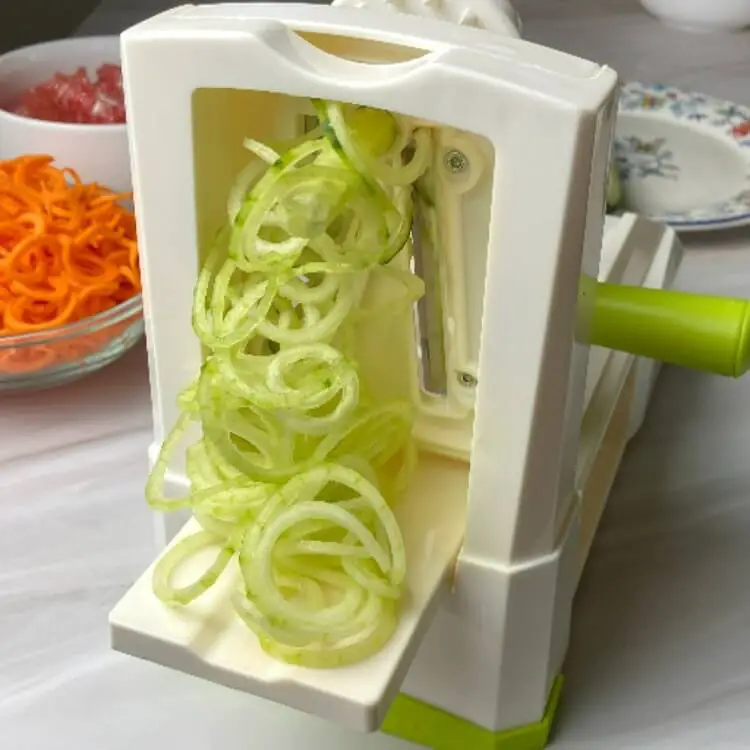
- Shred cucumbers, radish, purple radish and carrots into thin strips using a vegetable spiralizer or manually with a vegetable shredder.Note: I used a vegetable spiralizer machine. Alternatively you can use a julienne peeler.
- Remove abalones from the can and set aside.Note: Reserve the braised sauces in the can or the brine for other cooking. These sauces are full of flavours.
- Optional to add prawn crackers. Break into smaller chunks.
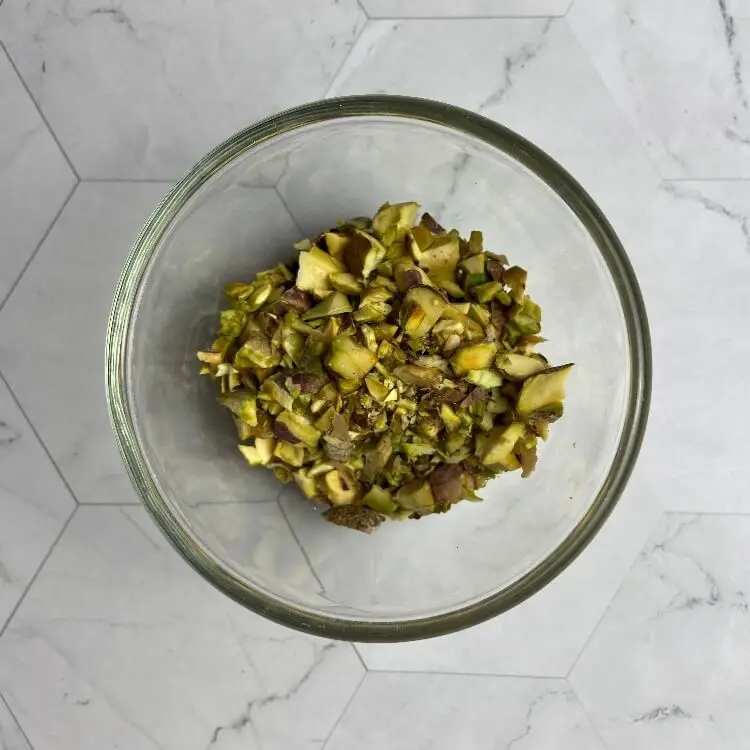
- Chop the deshelled pistachios.
- Add the yuzu honey, extra virgin olive oil, salt and pepper into individual bowls, to serve with the yusheng later. Cut the lemon into quarters.
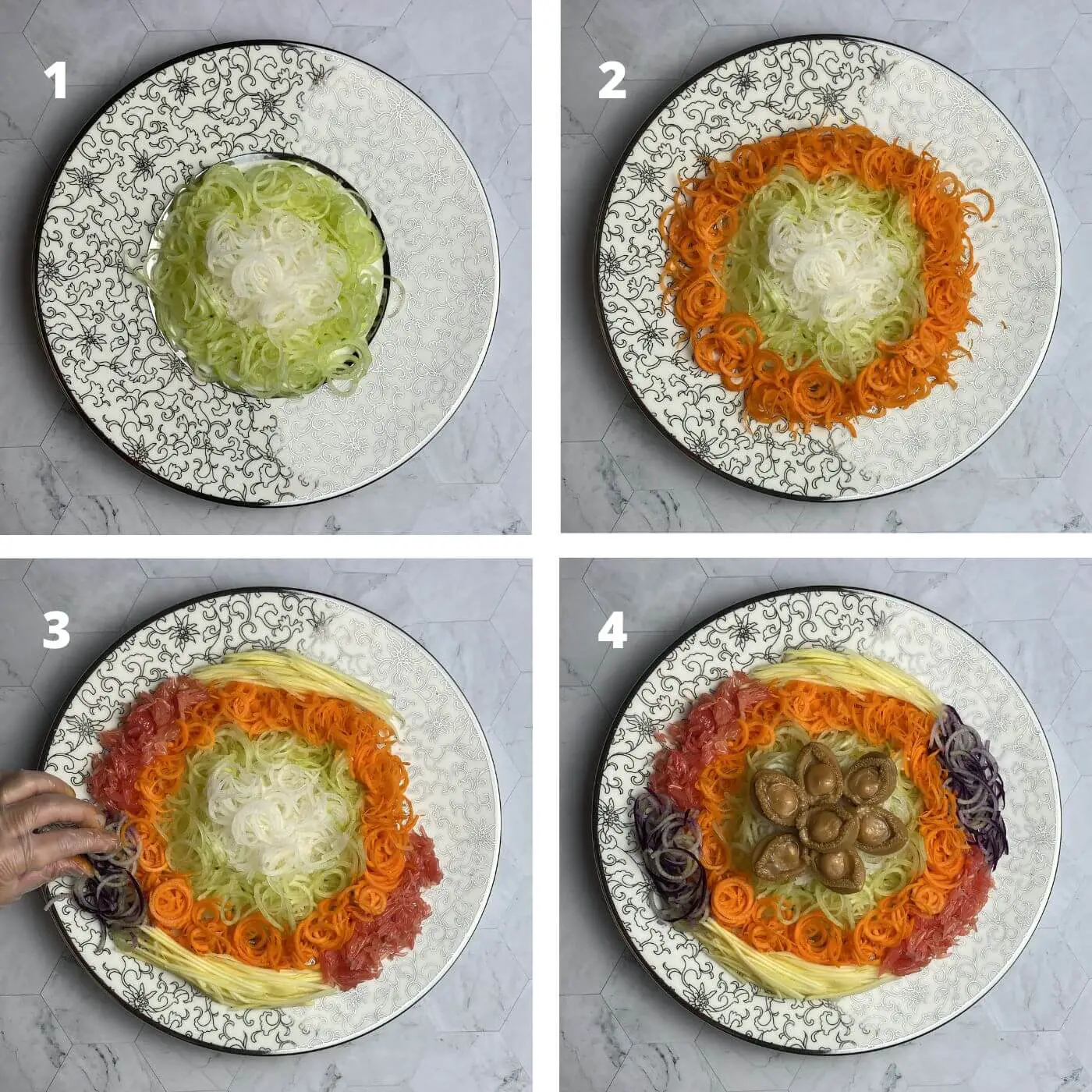
- Assemble the yusheng on a nice large plate.
- Optional to add a finishing touch to the yusheng with dried edible flowers.
- Chill in the fridge, covered with cling wrap until ready to serve. Serve with the condiments. See above post on the auspicious Chinese phrases to recite.





Leave a Reply